What is Email Encryption and How Does it Protect Airline Passengers in Europe?
A passenger books a flight from Paris to Rome. Within seconds, a confirmation email arrives. It contains a name, a booking reference, travel dates, and sometimes even passport details. A few days later, another email follows with a boarding pass. Payment receipts arrive soon after.
To the traveler, these emails feel routine. But behind the scenes? They carry some of the most sensitive personal information an airline ever handles.
For European carriers, protecting that information is not optional. It is a legal obligation and a trust issue rolled into one.
Now, this is where email encryption becomes critical, not as a technical upgrade, but as a foundational safeguard for passenger privacy.
At MailSPEC, we work with regulated industries that must protect sensitive data without slowing down daily operations. And in aviation, where millions of passenger communications happen every day, email encryption is one of the most important yet misunderstood protections in place.
This guide explains what email encryption really is, how it works, and why it plays a crucial role in protecting airline passengers across Europe.
A Real-World Scenario: How Airlines Handle Passenger Data
Imagine the operations team at Air France preparing for a busy travel weekend.
Every hour, thousands of emails are sent to passengers across Europe and beyond. These messages may include:
- Booking confirmations
- Boarding passes
- Flight changes and delays
- Identity verification requests
- Customer service follow-ups
Each message may contain personally identifiable information. That can include full names, travel histories, passport numbers, and as well as payment details.
Now, if even one of those emails is intercepted or read by the wrong person, the consequences can be serious. Not only for the passenger, but for the airline too.
European privacy laws are strict. Airlines must be able to prove that passenger data is protected at every step of the digital journey. And that includes email.
What Is Email Encryption, Explained Simply
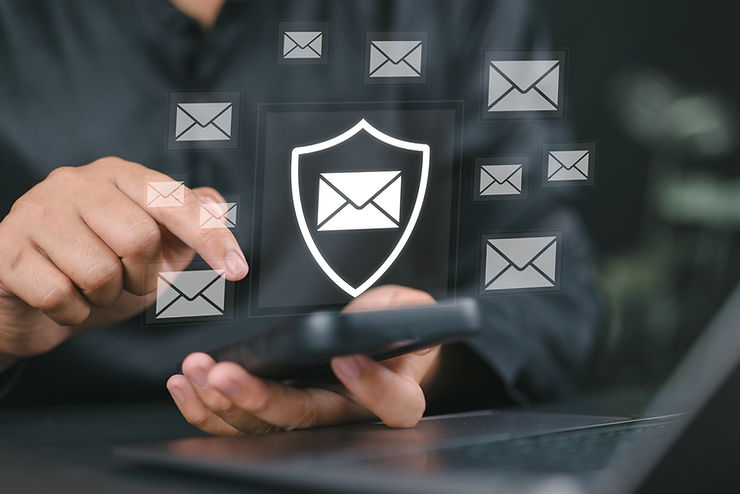
Email encryption is a way of scrambling the contents of an email so that only the intended recipient can read it.
Think of it like sending a letter in a locked box instead of an open envelope.
Without encryption, emails travel across the internet in a readable format. Anyone with access to the right network or system could potentially see the contents. That is unacceptable when messages contain sensitive passenger data.
With email encryption:
- The message is locked before it leaves the sender
- It stays locked while traveling across networks
- Only the authorized recipient can unlock and read it
This ensures that even if an email is intercepted, the information inside remains unreadable.
How Email Encryption Protects Airline Passengers
Preventing Unauthorized Access
When airlines use email encryption for airline passengers, they prevent third parties from reading sensitive communications. This includes cyber criminals, unauthorized service providers, and even foreign surveillance systems.
Encrypted emails protect:
- Passport and identity details
- Boarding passes and booking references
- Credit card confirmations
- Customer service conversations
This is a key part of email security for airlines, especially when operating across multiple countries.
Protecting Data in Transit
Emails do not travel directly from sender to recipient. They pass through multiple servers and networks along the way.
Encryption then ensures that data remains protected throughout that entire journey. Even if one of those systems is compromised, the message contents stay secure.
Why Standard Email Services Are Not Enough
Many people assume that common email platforms are already secure. While sure, they may offer basic protections, they are not designed to meet the strict privacy requirements placed on European airlines.
Standard email services often lack:
- End-to-end encryption controlled by the airline
- Sovereign data control within European jurisdictions
- Auditable compliance records
- Protection against unauthorized access by third parties
And for airlines operating under European data protection laws, this creates a serious risk.
Email encryption in aviation must be implemented in a way that gives airlines full control over their communications, not the email provider.
Protecting Credit Card Details and Boarding Passes
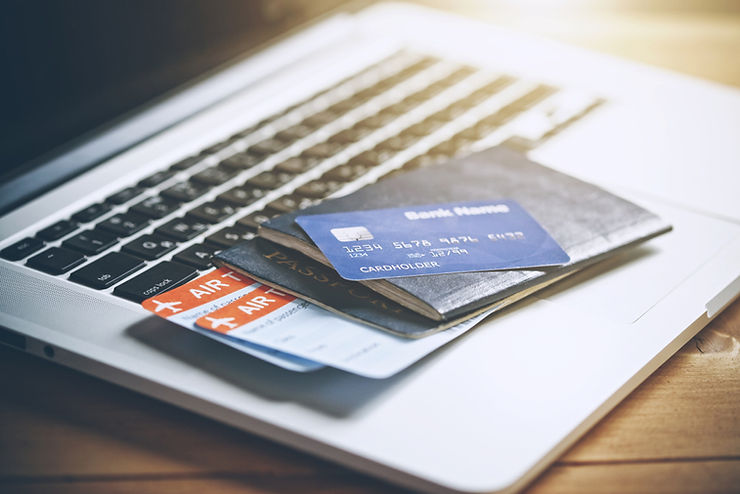
Passenger emails often contain more than just travel information.
Payment confirmations, receipts, and sometimes partial credit card details are routinely sent via email. Boarding passes also include barcodes that can be misused if intercepted.
And without encryption, these details can be exposed.
With encrypted email:
- Payment information remains private
- Boarding passes cannot be copied or reused
- Passenger identity data stays protected
A critical part of secure airline email communication, especially during peak travel seasons when email volumes are highest.
The Role of European Privacy Regulations
European privacy regulations require airlines to protect personal data with strong technical measures. And this includes encrypting sensitive communications.
Airlines must demonstrate that they have taken appropriate steps to prevent unauthorized access, accidental loss, or exposure of passenger data.
Failure to do so can result in:
- Financial penalties
- Regulatory investigations
- Loss of passenger trust
- Reputational damage
General Data Protection Regulation email encryption for airlines is not a recommendation. It is an expectation.
How Email Encryption Works in Practice
From the airline’s perspective, encryption must be effective without disrupting daily operations.
A properly designed encrypted email system:
- Works seamlessly with existing email clients
- Does not require passengers to install special software
- Allows airlines to maintain compliance records
- Keeps encryption keys under airline control
This balance is essential in aviation, where communication speed and reliability are critical.
How MailSPEC Helps Airlines Protect Passenger Trust
MailSPEC provides encrypted communication solutions designed for regulated industries, including aviation.
EasyCrypt: Secure Email Without Complexity
EasyCrypt is MailSPEC’s encrypted email platform built for organizations that need strong security without burdening users.
For airlines, EasyCrypt provides:
- End-to-end encrypted email communication
- Sovereign control over encryption keys
- Seamless integration with existing email systems
- Compliance-ready audit and recovery options
This allows airlines to protect passenger emails without changing how teams work.
JACE Compliance System: Accountability and Oversight
The JACE Compliance System adds journaling, archival, and controlled access to encrypted communications.
This ensures airlines can:
- Prove compliance during audits
- Maintain traceable communication records
- Control who can access stored messages
Together, EasyCrypt and JACE support both privacy and accountability.
Building Trust Through Secure Communication
Passengers trust airlines with more than their travel plans. They trust them with identity documents, payment information, and personal data.
Thus, every email sent by an airline is an opportunity to either reinforce or weaken that trust.
By using encrypted email communication:
- Airlines show respect for passenger privacy
- Customers feel confident using digital services
- Regulators see proactive compliance
This is why email encryption for airline passengers is becoming a standard expectation across Europe.
Looking Ahead: The Future of Airline Communication
As digital travel services continue to grow, so will the volume of sensitive email communication.
Airlines that invest now in secure, compliant email infrastructure are better positioned to:
- Expand digital services safely
- Respond quickly to regulatory changes
- Protect their brand reputation
Email encryption is not just about avoiding penalties. It is about creating a secure foundation for modern aviation communication.
Final Thoughts
Email may feel like an old technology, but in aviation, it remains one of the most important communication channels.
When properly encrypted, it becomes a powerful tool for protecting passengers, maintaining compliance, and building long-term trust.
And for European airlines, email encryption is not just a technical upgrade. It is a commitment to privacy, security, and responsible communication.
Talk to MailSPEC About Secure Airline Email Communication
If your airline is evaluating how to better protect passenger data through encrypted email, we are ready to help.
Contact MailSPEC today. Learn how EasyCrypt and the JACE Compliance System can support secure, compliant airline communication across Europe.